

Security Fencing Compliance Standards Every Facility Manager Should Know
Managing the security of a facility goes beyond installing a fence, it requires understanding security fencing compliance standards. You need fencing that not only keeps intruders out but also meets local and national regulations to avoid fines or liability. By following proper compliance guidelines, you protect employees, visitors, and assets while creating a safe operational environment.
Each type of fencing, whether standard perimeter security fencing or reinforced high-security designs, has specific requirements that must be met. Facility managers who stay informed about security fencing compliance standards reduce risk and improve efficiency. This guide will walk you through every aspect of compliant fencing and perimeter security solutions so you can make informed, confident decisions.
Understanding Local and National Regulations
Before installing fencing, you need to understand the rules that apply to your facility. Security fencing compliance standards vary by local and national authorities, so staying informed is essential.
How regulations affect your facility:
| Regulation Type | Key Considerations | Why It Matters |
| Local Codes | Fence height, setbacks, zoning requirements | Avoid fines and maintain neighborhood compliance |
| National Codes | OSHA, NFPA, ISO safety and strength standards | Ensure structural integrity and safety |
| Industry Standards | Hospitals, schools, critical infrastructure | Protect high-risk environments and meet legal benchmarks |
Top takeaways:
- Always confirm your fencing design aligns with local building codes.
- High-risk facilities require additional checks to meet national security fencing compliance standards.
- Staying up-to-date prevents costly modifications and safety hazards.
- Understanding regulations ensures your perimeter security solutions are fully compliant.
Material and Structural Requirements
The materials and construction of your fencing are central to perimeter security fencing compliance. The wrong choice can compromise safety and violate security fencing compliance standards.
Material requirements:
- Steel panels – Galvanized or coated to prevent corrosion.
- Welded wire mesh – High strength and anti-climb features.
- Palisade fencing – Visually imposing and resistant to intrusion.
Structural requirements:
- Post spacing and anchoring must meet local and national standards.
- Concrete footings should meet recommended depth and diameter.
- Gates and automated access points must integrate without weakening the fence.
For facility managers, these factors matter because choosing the right materials supports long-term compliance with security fencing compliance standards while minimizing future maintenance and replacement issues. Reinforced structures play a critical role in reducing the risk of unauthorized access by strengthening the perimeter’s physical integrity. When these standards are consistently followed, you can be confident that your high security perimeter fencing will function as intended and provide reliable, effective protection over time.
Perimeter Security and Anti-Climb Standards
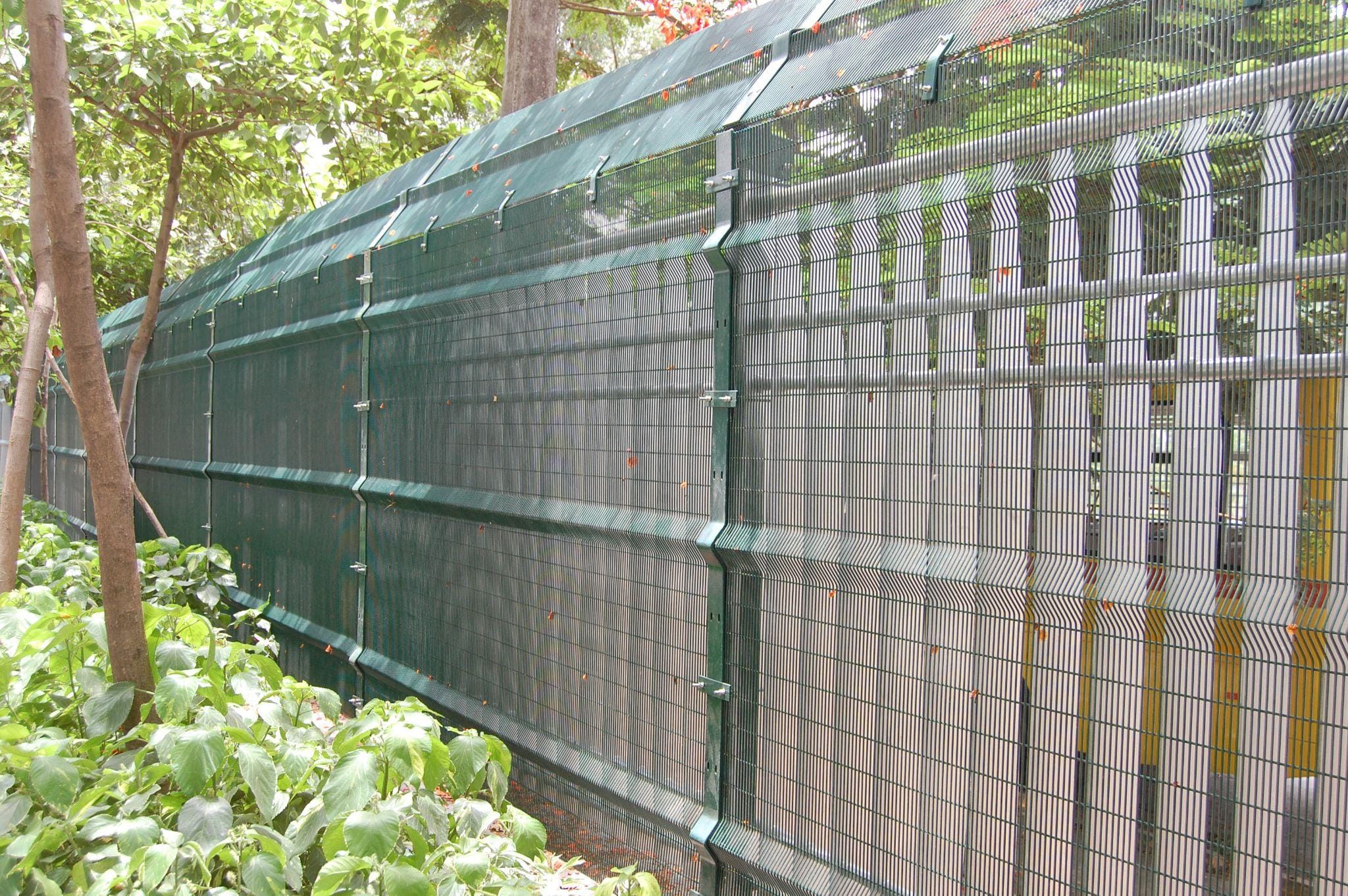
Anti-climb measures are a critical component of high security perimeter fencing because they directly limit the ability of unauthorized individuals to scale or bypass the fence. Features such as vertical bars with narrow spacing, curved tops, and reinforced gates create a strong physical and visual deterrent. When these elements are properly installed, they significantly reduce vulnerability and help maintain a secure facility perimeter.
Implementing anti-climb standards provides clear operational and compliance benefits. These measures reduce incidents of trespassing and unauthorized access while supporting alignment with security fencing compliance standards. When paired with surveillance and monitoring systems, anti-climb features enhance overall perimeter effectiveness by reinforcing both physical and electronic security layers.
Maintaining compliance requires consistent oversight and documentation. Regular inspections ensure anti-climb features remain intact and functional, while detailed records of upgrades and maintenance support audit readiness. It is also important to confirm that any integration with perimeter security solutions does not weaken the fence’s structural integrity, preserving both safety and compliance over time.
Access Control and Integration Guidelines
Effective perimeter protection requires more than physical fencing alone. To support reliable perimeter security solutions, fencing must be properly integrated with access control systems that regulate who enters and exits your facility. When these systems work together, they strengthen security, improve efficiency, and support long-term compliance.
- Select the appropriate access control methods: Card-based systems allow credentials to be issued or revoked, keypads provide simple entry, biometric readers reduce sharing, mobile apps offer token-free access, and an active vehicle barrier enhances perimeter security for vehicles.
- Integrate access systems with fencing and gates: Gates, sensors, and fencing should function as a single coordinated system rather than independent components. Seamless integration ensures that access points do not weaken the perimeter and that all elements support overall security objectives.
- Test and validate system performance regularly: Routine testing of electronic access components helps maintain compliance with security fencing compliance standards. These checks confirm that systems respond correctly under normal and high-traffic conditions.
- Document integration and system updates: Recording each installation step, system change, and test result is essential for audit readiness. Clear documentation demonstrates adherence to security fencing compliance standards and supports accountability.
Integrating access control with fencing enhances operational efficiency while maintaining legal and security requirements. A well-integrated approach supports smooth traffic flow, strengthens perimeter protection, and ensures your facility remains compliant and secure over time.
Inspection, Testing, and Documentation
Maintaining a compliant security fence does not end after installation. To consistently meet security fencing compliance standards, you need an ongoing process that verifies performance and identifies potential weaknesses as conditions and security demands change. Equally important, thorough documentation provides clear evidence that your facility is actively managing its perimeter in accordance with regulatory expectations.
Inspection and testing requirements:
- Regularly check posts, panels, and anti-climb features.
- Conduct load and intrusion tests to ensure strength.
- Inspect gates, wiring, and access control integration.
Documentation practices:
| Task | Purpose | Compliance Benefit |
| Inspection logs | Record maintenance and repairs | Demonstrates adherence to standards |
| Test reports | Show fence performance under stress | Supports liability protection |
| Integration records | Track access system alignment | Confirms compliance with perimeter security solutions |
Regular inspection, testing, and documentation ensure that fences and access points continue to meet security fencing compliance standards on an ongoing basis. This proactive approach minimizes legal risk, strengthens operational readiness, and provides clear, reliable proof of compliance during audits or insurance reviews.
Final Thoughts
Meeting security fencing compliance standards is essential for every facility manager. From understanding regulations to selecting compliant materials, installing anti-climb measures, integrating access systems, and maintaining inspections, each step plays a critical role in ensuring safety and legal adherence. A well-planned approach reduces risk while supporting consistent, reliable perimeter performance.
By implementing proper perimeter security fencing, high security perimeter fencing, and perimeter security solutions, you protect your facility while meeting regulatory requirements. Black Security Products supports these efforts by providing fencing systems and perimeter strategies designed to align with compliance requirements and real-world security demands. Documenting inspections, testing, and system integration helps maintain long-term compliance and positions your facility as safe, efficient, and fully defensible against evolving threats.