


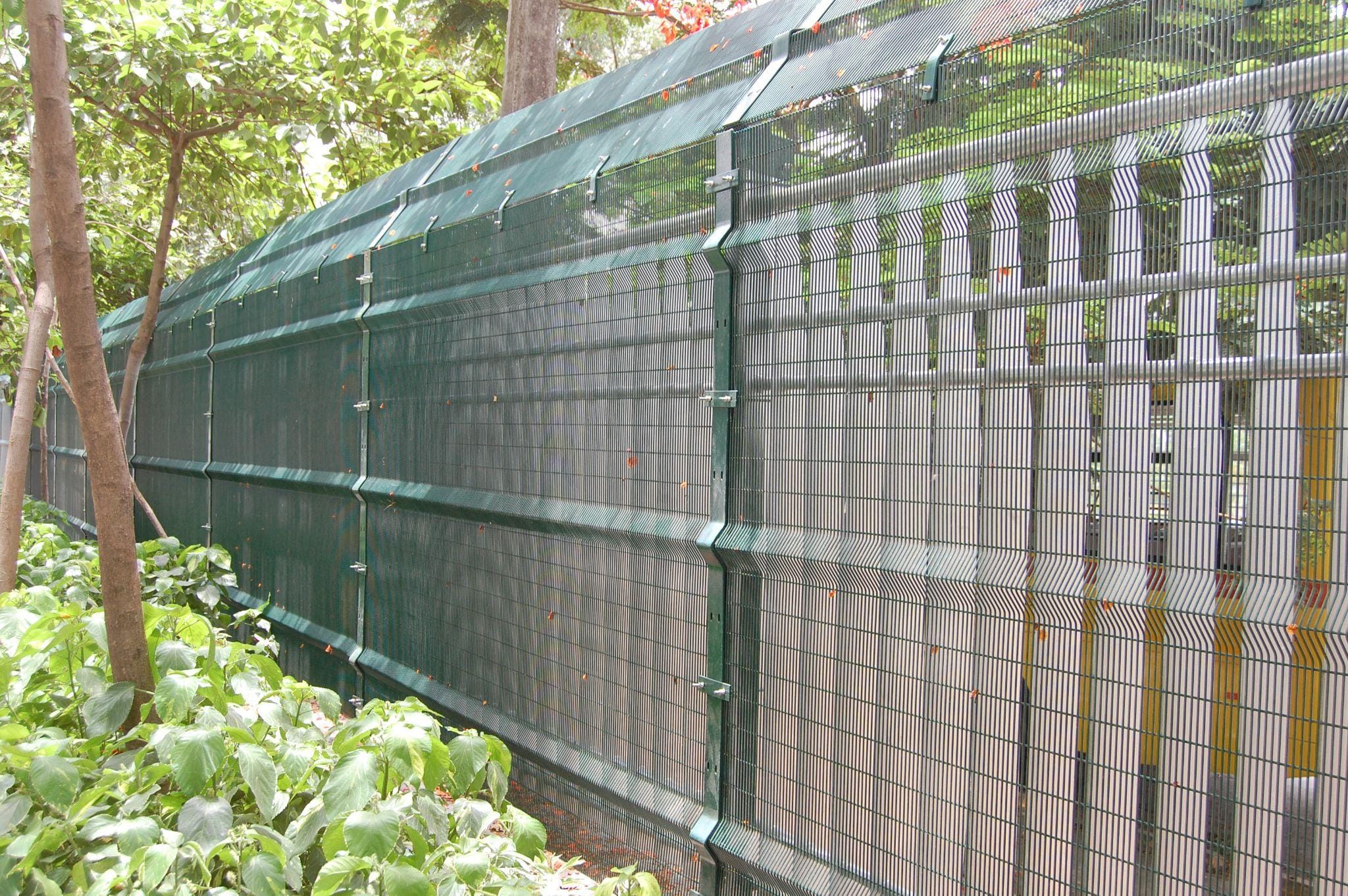
Anti Climb Security Fence: How It Works and Why Facilities Use It
Many facilities today face growing risks from perimeter breaches, unauthorized entry attempts, and increasing pressure to protect high-value areas. Because of this, you may be looking for solutions that provide stronger physical security without blocking visibility or disrupting daily operations. An anti climb security fence meets these needs by using engineered designs that prevent gripping, footholds, or cutting attempts, making it far more difficult for intruders to scale or bypass. Its structure works as both a physical and psychological deterrent, signaling that the perimeter is actively protected and harder to breach than standard fencing.
These systems are also highly adaptable, making them suitable for commercial sites, industrial facilities, utilities, schools, and government properties alike. Their design supports long-term resilience, integrates easily with other security layers, and maintains a clean, professional appearance that fits into many environments. When you understand how anti climb fencing works and why its features matter, you can clearly see how it elevates perimeter protection far beyond what traditional barriers offer.
Understanding the Anti-Climb Fence Mechanics for Enhanced Perimeter Defense
Anti climb systems are built to stop intruders from gaining any leverage on the surface, and this begins with the structure of the mesh itself. When you install anti climb fencing, you create a barrier with narrow spacing that prevents a person from fitting their fingers or shoes between the wires. These tight openings eliminate the ability to grip or climb, making the surface extremely difficult to scale. In high-risk environments, the addition of anti climb fence spikes reinforces the top of the system by creating a sharp, deterrent edge. You also benefit from anti climb fence panels that run consistently along the perimeter, reducing weak points and ensuring even coverage. With all these components combined, the system clearly demonstrates how an anti climb security fence keeps intruders from gaining vertical access.
The height and structure of each panel contribute directly to how effective the system is in real-world situations. Many facilities rely on anti climb fencing because its narrow mesh pattern makes it challenging to cut with common tools. When you place anti climb fence spikes at key locations, you strengthen the upper boundary and create a physical and psychological barrier that discourages attempts before they begin. Additionally, the rigidity of anti climb fence panels maintains shape under pressure, ensuring that bending or deforming the fence is not a simple task. These qualities help ensure that intruders cannot use makeshift devices to gain traction or footholds. As a result, the design becomes a reliable solution for high-security zones that require constant protection.
A major benefit of these structures is how seamlessly they fit into different facility layouts. Whether you manage a school, factory, data center, or public facility, anti climb fencing adapts easily to the shape of your perimeter. You can reinforce areas with increased risk by adding more anti climb fence spikes to enhance deterrence at specific locations. For long stretches of boundary lines, anti climb fence panels provide visibility and airflow without sacrificing strength. This combination of visibility and security allows you to monitor threats without obstructing camera lines or natural light. Because of this adaptability, an anti climb security fence serves as one of the most effective and versatile perimeter solutions available.
Different Types of Anti Climb Security Fences and Their Use Cases
Anti climb security fencing comes in several configurations, each designed to counter different climbing techniques, threat levels, and perimeter conditions. By understanding how each fence type performs and the environments it best supports, you can select a system that delivers reliable protection and long-term structural stability across your entire boundary.
Anti-Climb Fence Types and Their Ideal Applications
| Type of Anti-Climb Fencing | Key Features | Best Use Cases |
| Welded Mesh Anti Climb Fencing | Narrow grid spacing prevents gripping; welded for durability | Schools, commercial sites, public spaces, general perimeter protection |
| Long-Span Anti Climb Fence Panels | Fewer connection points reduce weak spots; consistent coverage over large areas | Industrial zones, logistics facilities, wide property boundaries |
| 358 “Prison Mesh” Anti Climb Fencing | Extremely tight spacing; nearly impossible to climb or cut | Correctional facilities, utility sites, transportation hubs, high-security areas |
| Standard Anti Climb Fence Panels | Balanced visibility and airflow; adaptable to various layouts | Office campuses, community areas, low- to moderate-risk environments |
| Reinforced Anti Climb Fencing With Anti-Tamper Frames | Added rigidity and impact resistance; designed to handle force | Industrial parks, sensitive infrastructure, areas requiring heightened deterrence |
| Hybrid Anti Climb Systems | Combines long-span panels, reinforced frames, and deterrents like spikes | Multi-entry campuses, large complexes, perimeters requiring uniform strength |
Each type of anti climb fencing offers distinct advantages depending on the facility’s risk level, layout, and operational priorities. By selecting the design that best fits your perimeter needs, you ensure strong, consistent, and scalable protection against climbing attempts. If you’d like, I can also add a comparison chart, icons, or a short transition paragraph to blend this seamlessly into the rest of your blog.
Key Factors to Consider When Choosing Anti-Climb Fencing
Selecting the right anti climb fencing begins with understanding the level of protection your facility requires and how the fence will perform in real-world conditions. Your threat profile, property layout, and desired level of deterrence all influence which height, mesh type, and reinforcement features will work best. Facilities in high-risk zones often choose tighter mesh patterns or enhanced systems like SecureMesh Level I to create a barrier that is harder to grip, cut, or manipulate, especially in areas where climbing attempts are more likely.
Another factor to evaluate is how each section of fencing aligns with your property’s daily operations. Areas with heavy foot traffic, frequent deliveries, or close vehicle access may require stronger reinforcement or the strategic placement of anti climb fence spikes. When fencing is installed near entry gates or zones that experience higher vehicle exposure, facilities often support the perimeter with additional systems such as an active vehicle barrier to maintain consistent defense across both pedestrian and vehicle routes. This layered approach prevents weaknesses and ensures that every boundary point receives the appropriate level of protection.
You should also consider how the fencing interacts with your environment and long-term maintenance plans. Terrain shifts, slopes, or tight installation areas may require customized anti climb fence panels that maintain coverage without creating gaps. The spacing and rigidity of the mesh should support stable visibility for security teams while minimizing deformation over time. When all these factors are reviewed together—site layout, threat level, reinforcement needs, and environmental challenges—you gain a clearer understanding of which anti climb fencing configuration will deliver the most reliable and lasting perimeter protection.
Long-Term Benefits and Maintenance Considerations for Anti Climb Fencing
Anti climb fencing is engineered to deliver long-lasting protection with minimal upkeep, making it a smart investment for facilities that require dependable perimeter security. Its durable construction, simple maintenance needs, and flexible expansion options allow property managers to maintain strong defense without constant intervention or costly repairs. The points below highlight the key long-term advantages and care requirements of anti climb fencing.
- Long-Lasting Structural Strength: Anti climb fencing is built to endure constant exposure to weather, temperature changes, and daily contact. Its welded construction keeps each panel rigid and stable, preventing bending or deformation over time. This durability ensures consistent protection comparable to an anti climb security fence, reducing the need for early replacements.
- Strong Resistance to Pressure and Wear: Anti climb fence panels are engineered to handle repeated pressure without weakening. Even in high-traffic or high-risk zones, the mesh maintains its shape and strength. This long-term resistance minimizes vulnerability and keeps the perimeter secure year after year.
- Simple and Predictable Maintenance Needs: Maintenance routines are straightforward, often limited to periodic inspections. Checking for loose fasteners, minor surface wear, or debris buildup helps keep the system performing effectively. When anti climb fence spikes are installed, quick inspections of the top rail ensure they remain secure and corrosion-free.
- Easy Inspection and Fast Adjustments: The mesh or flat-panel design of anti climb fencing makes it easy to spot issues early. Any cleaning, tightening, or minor adjustments can generally be completed quickly. Because the materials resist rust and bending, maintenance tasks remain simple and infrequent.
- Scalable and Cost-Efficient Over Time: Anti climb fencing offers long-term value beyond physical durability. Facilities can add new sections or upgrade specific areas without redesigning the entire perimeter, similar to the flexibility of an anti climb security fence. This reduces long-term security costs while providing reliable, scalable protection.
Anti climb fencing delivers strong, durable, and cost-effective perimeter security with minimal maintenance demands. Its resilient construction, simple upkeep, and expandability make it an ideal long-term solution for facilities seeking dependable protection. By investing in a system designed for both longevity and adaptability, you support safer operations today and prepare your perimeter for future growth.
Strengthening Facility Protection With Modern Anti-Climb Solutions
The role of modern perimeter protection continues to expand as facilities face increasing security demands, evolving risks, and greater expectations for operational stability. A well-designed system goes beyond basic prevention; it demonstrates a proactive commitment to safety, innovation, and long-term resilience. Each element of your perimeter, whether it’s an anti climb security fence, anti climb fencing reinforcements, or specialized deterrents, works as a silent yet powerful safeguard that strengthens confidence, prevents breaches, and maintains order in sensitive or high-risk environments.
At Black Security Products (BSP), we engineer and deliver perimeter solutions designed to meet the complex requirements of today’s commercial, industrial, and government facilities. From durable anti climb fencing to reinforced anti climb fence spikes and scalable anti climb fence panels, every component is built with precision and tested for consistent performance. By combining structural strength, advanced deterrence, and long-term support, BSP ensures that your perimeter protection system delivers exceptional reliability and lasting value. Partner with BSP for solutions that evolve with your facility’s needs and continue defending critical spaces well into the future.