

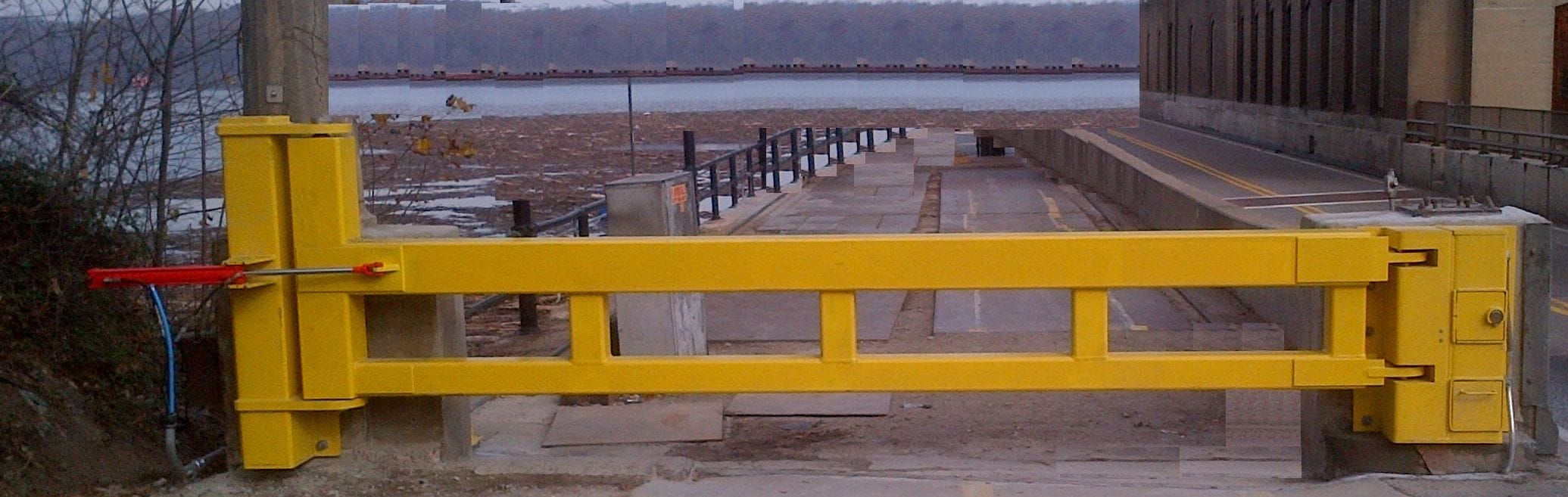
Understanding Vehicle Crash Barrier Systems and How They Prevent Accidents
Every road, industrial site, and secure facility relies on vehicle crash barrier systems to maintain safety and prevent collisions from turning into catastrophic events. These engineered structures act as the first line of defense between vehicles and critical areas such as pedestrian zones, buildings, and restricted perimeters. By absorbing and redirecting impact energy, vehicle crash barrier systems reduce accident severity and support smooth, controlled traffic movement. Their design transforms potential chaos into stability, ensuring consistent protection in demanding environments.
As cities expand and transportation networks grow, the need for reliable vehicle crash barrier systems continues to rise. Modern solutions have evolved from simple concrete dividers into advanced safety infrastructures built with high-tensile steel, composite materials, and smart sensors for real-time monitoring. These innovations allow faster responses to impact events and improved accident prevention. Whether safeguarding highways, airports, or high-security facilities, these systems represent a new generation of intelligent protection designed to save lives and promote long-term public safety.
How Vehicle Crash Barrier Systems Prevent Accidents
The main function of vehicle crash barrier systems is to manage kinetic energy and guide vehicles away from hazardous areas. When a collision occurs, the system absorbs impact force and redirects it along controlled paths, preventing rollovers or secondary crashes. This process minimizes injuries and property damage while maintaining stability for other motorists. Each section of the barrier plays a critical role in controlling how energy dissipates during impact.
A strategically installed vehicle barrier helps prevent vehicles from breaching pedestrian zones, construction sites, and restricted access areas. Its presence establishes a physical and visual deterrent, encouraging drivers to remain within designated lanes. Whether protecting storefronts in urban centers or roadside workers on highways, these barriers reinforce spatial order and reduce collision risk. Their placement enhances driver awareness and encourages cautious navigation in high-traffic zones.
The efficiency of vehicle crash barrier systems depends on precise engineering, proper installation, and consistent maintenance. Engineers evaluate road curvature, soil stability, and speed conditions to determine the correct barrier configuration. Routine inspection ensures that materials remain intact and ready to perform under stress. A well-maintained system prevents accidents before they happen, offering long-term resilience that supports public confidence in infrastructure safety.
Types of Vehicle Crash Barrier Systems and Their Applications
Different environments demand customized protective solutions. Vehicle crash barrier systems are designed to handle varied risk levels, impact speeds, and access control requirements. By selecting the appropriate barrier type, planners can create a layered strategy that balances safety, mobility, and operational efficiency.
| Barrier Type | Features & Applications |
| Temporary Crash Barriers | Ideal for short-term traffic control, construction zones, and event security; easily deployed and repositioned without permanent foundations. |
| Permanent Crash Barriers | Installed in high-risk or high-traffic areas to provide long-term protection for pedestrian zones, entry points, and facility perimeters. |
| Anti-Crash Vehicle Barriers | Crash-Tested, high performance barriers that stop deliberate or high-speed vehicle attacks in sensitive or critical locations. |
| Hydraulic Crash Barriers | Retractable mechanisms allow authorized vehicles to pass while maintaining robust impact resistance for unauthorized threats. |
| Retractable / Rising Bollard Systems | Offer dynamic access control, raising or lowering based on security credentials in government, airport, or commercial zones. |
| Modular Barrier Systems | Enable flexible configurations that can expand or adjust as site layouts evolve or risk levels change. |
| Certified Crash-Rated Barriers | Evaluated under global standards such as ASTM and PAS 68 to verify tested stopping power and regulatory compliance. |
Selecting the right crash barrier system ensures stronger perimeter defense, controlled access, and reliable impact protection. When combined strategically, these barrier types create a cohesive security solution built for evolving threats and operational demands.
Active Vehicle Barriers for Controlled Access
For facilities that balance high traffic and strict control, active vehicle barriers provide efficient entry management without sacrificing protection. These include retractable bollards, wedge barriers, sliding gates and beam barriers that can activate within seconds. Their design allows authorized vehicles to pass safely while immediately blocking unauthorized ones. Fast deployment prevents security breaches and maintains smooth operation in sensitive environments.
Integrated with surveillance and alarm systems, active vehicle barriers strengthen the perimeter by combining automation with precision. Operators can monitor and adjust barrier positions remotely, reducing response time during emergencies. This combination of control and speed makes them ideal for government facilities, transport hubs, and logistics centers. Each movement reinforces the adaptability of vehicle crash barrier systems in dynamic environments.
Routine inspection ensures that active vehicle barriers continue performing flawlessly under repeated use. Hydraulic components are tested for response speed and reliability, while electronic systems are calibrated for accurate detection. This level of technical oversight ensures consistent readiness in all operating conditions. Their precision engineering underscores how modern barriers merge safety with smart automation.
Passive Vehicle Barriers for Continuous Protection
Unlike their mechanical counterparts, passive vehicle barriers offer permanent protection through structure alone. These include reinforced concrete walls, buried bollards, and solid steel planters designed to resist direct impact. With no moving parts, they provide constant safety even during power outages or system failures. The simplicity of their design ensures around-the-clock reliability with minimal maintenance requirements.
A well-placed passive vehicle barrier absorbs impact through its mass and foundation depth, halting vehicles before they reach restricted zones. This approach is ideal for highways, stadiums, and bridge perimeters where continuous defense is required. Their robust design not only resists collision but also complements urban architecture through customizable finishes and modular arrangements. Each installation strengthens the broader network of vehicle crash barrier systems.
When combined with other protective technologies, passive vehicle barriers complete a layered defense strategy. They offer redundancy when active systems are under maintenance and provide visual boundaries that promote safer traffic flow. Their durability in extreme weather conditions ensures that safety remains constant year-round. This unwavering performance makes them the backbone of long-term vehicle impact protection.
Engineering and Design Principles Behind Effective Barriers
Effective vehicle crash barrier systems are the result of careful planning, rigorous testing, and strategic material selection. Proper engineering ensures that barriers respond predictably during impact, protecting both people and infrastructure under real-world conditions.
- Rely on Precise Engineering and Performance Criteria: Vehicle crash barrier systems must meet strict performance requirements to operate safely. Every design element is planned to absorb and redirect impact energy efficiently during a collision.
- Calculate Critical Design Variables: Factors such as post spacing, barrier height, and material thickness are carefully measured. These calculations ensure intended deformation without collapsing or rebounding dangerously.
- Use Structural Modeling for Impact Prediction: Engineers simulate how different vehicle sizes and speeds affect barrier performance. These predictive models help refine designs before real-world installation.
- Incorporate High-Grade Construction Materials: Galvanized steel, reinforced concrete, and composite polymers offer durability and environmental resistance. Their strength ensures long-term reliability under continuous stress.
- Integrate Energy-Absorbing Components: Tension cables, shock plates, and internal dampening systems distribute collision forces evenly. This combination provides flexibility without sacrificing strength.
- Comply with Industry Safety Standards: Certification programs validate impact testing, material quality, and installation methods. Compliance minimizes liability and improves user confidence.
- Validate Through Science and Real-World Testing: Field data confirms system performance outside controlled laboratory conditions. Continuous testing ensures barriers perform reliably when needed most.
These engineering principles work together to create barriers that deliver predictable, dependable performance. When properly designed and tested, vehicle crash barrier systems provide long-term protection against both accidental and intentional vehicle impacts.
Maintenance and Long-Term Reliability
Like any engineered safety system, vehicle crash barrier systems require ongoing care to maintain peak performance. Exposure to weather, corrosion, and vibration can weaken components over time. Routine inspection allows teams to identify early signs of wear and reinforce vulnerable sections before issues escalate. Preventive action is far more cost-effective than reactive repair, especially for large-scale facilities. Establishing a consistent maintenance routine also ensures compliance with evolving safety regulations and manufacturer warranties.
Maintenance schedules should include visual checks, torque adjustments, and coating restoration. Ultrasonic testing can detect internal cracks in posts or panels, while surface refinishing prevents rust and material fatigue. Incorporating advanced protection systems such as a crash tested wedge barrier can further strengthen long-term performance and reduce vulnerability to high-impact collisions. Facilities that prioritize maintenance enjoy longer service life and fewer operational disruptions. Documenting every inspection and repair creates a reliable record that supports accountability and long-term system evaluation.
Modernizing older installations also contributes to longevity. Upgrading with stronger materials or improved anchoring systems enhances overall performance. Integrating digital monitoring can alert operators to structural shifts or impact events in real time. These upgrades, including advanced solutions like the passive cable barrier M50 P1/P2, ensure that vehicle crash barrier systems stay reliable even as safety expectations evolve. By combining physical resilience with smart monitoring, facilities can maintain high safety standards while minimizing maintenance costs.
Innovation and the Future of Vehicle Crash Barrier Systems
The next generation of vehicle crash barrier systems is being shaped by innovation and intelligent design. Researchers are developing self-healing coatings, lightweight composites, and AI-assisted monitoring tools. These advancements allow systems to analyze their own performance and predict maintenance needs before failures occur. The shift from reactive to predictive safety transforms infrastructure into living, adaptive networks.
Integration with smart city infrastructure is redefining how vehicle crash barrier systems function. Connected sensors can communicate with traffic control systems to manage lane closures or adjust digital signage after impact. This collaboration between mechanical barriers and digital systems improves safety response and reduces congestion. As part of this evolution, anti ram crash gate barriers are being designed to integrate seamlessly with automated surveillance and access control systems, ensuring stronger defense without sacrificing operational efficiency.
Sustainability is also influencing future designs. Engineers are exploring recycled materials, solar-powered sensors, and modular barrier systems that can be reused across multiple sites. These innovations combine environmental responsibility with operational efficiency. As technology advances, vehicle crash barrier systems will continue to evolve into intelligent, durable, and sustainable safety solutions for the modern world.
Building Safer Roads and Facilities for the Future
The role of vehicle crash barrier systems is central to modern safety infrastructure, protecting drivers, pedestrians, and critical facilities while ensuring smooth and uninterrupted operations. A well-designed system goes beyond compliance, it reflects a proactive commitment to safety, innovation, and long-term stability. Each installation serves as a silent yet powerful safeguard that reinforces confidence, prevents accidents, and maintains order in high-risk environments.
At Black Security Products (BSP), we design and deliver tailored solutions built to meet the complex demands of today’s security and transportation sectors. From robust anti crash vehicle barrier installations to automated active vehicle barriers and durable passive vehicle barriers, our solutions combine precision engineering with intelligent technology. By integrating physical strength, system monitoring, and maintenance support, BSP ensures every vehicle crash barrier system achieves exceptional performance, resilience, and reliability. Partner with BSP today for protection that evolves with your needs and endures over time.