

Cable Barriers and Safety Compliance Standards for High Security Facilities
For high-security facilities, the need for reliable perimeter protection is as much about compliance as it is about safety. Sites such as airports, data centers, government offices, and military bases are under constant pressure to meet strict security requirements without hindering operations. This is where cable barriers have become an essential solution, offering both strength and flexibility in meeting modern safety demands.
Cable barriers stand out because they are not just about stopping vehicles; they’re about doing so in a way that aligns with industry regulations and day-to-day operational needs. They are designed to perform under the most challenging conditions, creating a line of defense that helps facilities maintain compliance while keeping people, assets, and infrastructure safe.
Cable Barriers as a Flexible Approach to High Security Perimeters
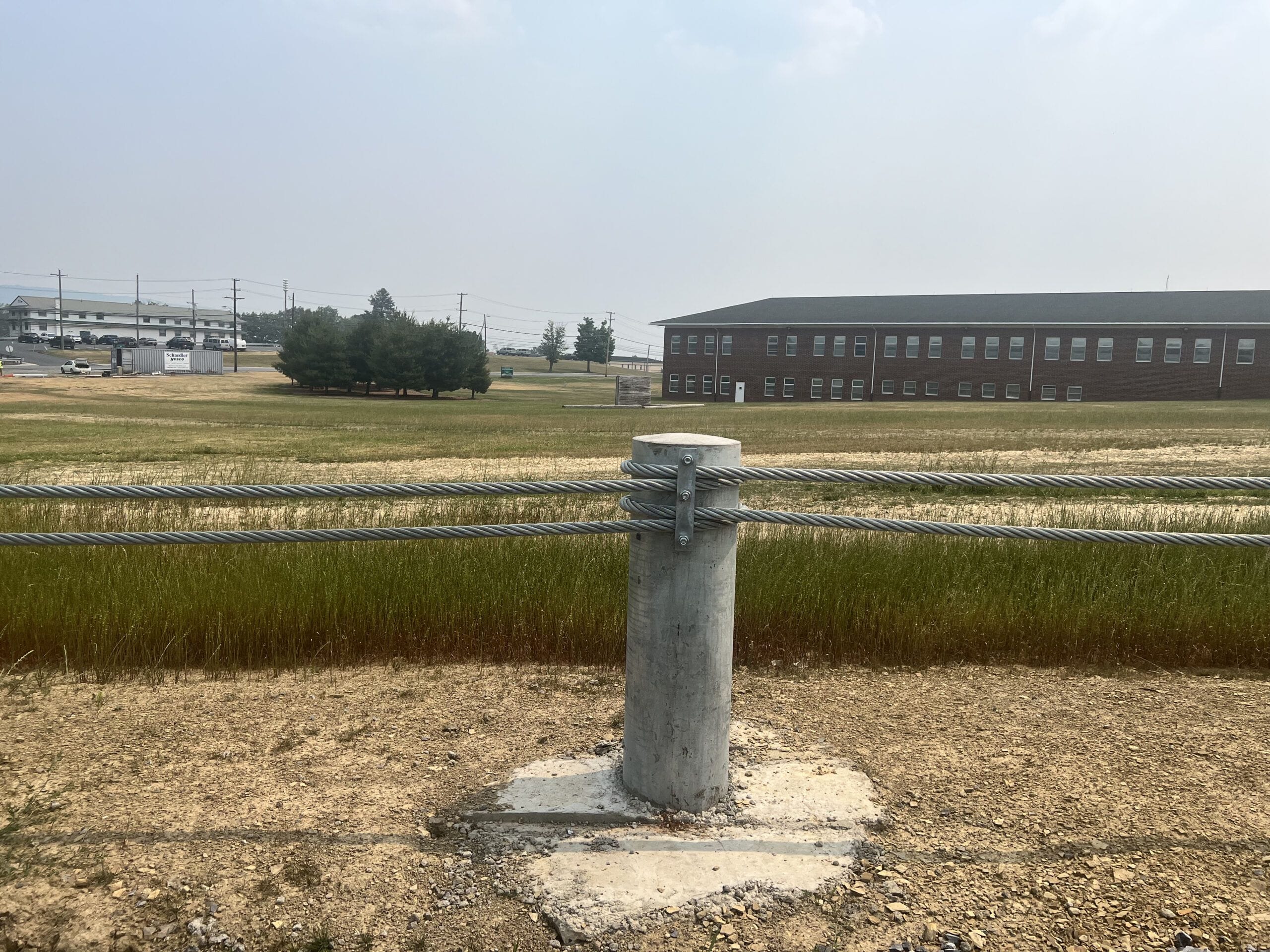
Unlike rigid walls or concrete blocks, cable barriers use high-tension steel cables mounted on posts to create a defense system that flexes on impact. This flexibility is intentional. When struck by a vehicle, the cables absorb and redistribute the energy, reducing the risk of total breach while limiting collateral damage. This makes them a versatile option for facilities where both security and operational continuity matter.
Because they can act as passive vehicle barriers, cable systems provide 24/7 protection without requiring constant activation or operator involvement. They can be installed along perimeters, near access roads, or in buffer zones where vehicles may attempt unauthorized entry. This passive design not only reduces operating costs but also provides a continuous, dependable layer of defense.
Another benefit is scalability. Facilities can tailor cable barrier layouts to specific site conditions, long stretches of open perimeter, compact urban installations, or high-traffic zones, making them one of the most adaptable vehicle crash barrier systems available.
Standards That Define Security: Meeting ASTM, PAS, and M-Ratings
When it comes to high-security environments, untested barriers simply won’t cut it. Facilities must meet internationally recognized standards, such as ASTM F2656 in the United States, PAS 68 in the United Kingdom, and M-ratings, which measure crash resistance. These standards specify the performance requirements for vehicle crash barrier systems when struck by vehicles of different sizes at specific speeds.
Choosing an anti ram cable barrier that meets these standards assures that the system will perform when it matters most. For instance, an M50 rating confirms that a barrier can stop a 15,000-pound truck traveling at 50 mph, a standard benchmark for high-security facilities. This level of performance isn’t optional in critical environments; it’s essential for compliance, insurance validation, and liability protection.
By investing in certified systems, facilities aren’t just buying barriers, they’re securing peace of mind. Regulatory compliance confirms that managers have taken every reasonable step to protect their site, staff, and visitors against vehicular threats.
Regulatory Compliance in Critical Facilities
Facilities such as airports, embassies, data centers, and defense sites face not only operational risks but also regulatory scrutiny. These facilities must prove that they’ve taken proactive measures to mitigate threats, particularly those involving unauthorized or hostile vehicles. Cable barriers fit into this framework by delivering both tested security performance and assurance of compliance.
Beyond certification, deploying vehicle crash barrier systems also shows stakeholders, whether regulators, insurers, or government partners, that security is being managed responsibly. In sectors where compliance can determine operating licenses or contracts, barriers that meet ASTM or PAS ratings can mean the difference between approval and penalty.
Additionally, cable systems offer flexibility in achieving compliance. Whether retrofitting an older facility or designing a new perimeter from scratch, these barriers can be integrated seamlessly, ensuring that security upgrades don’t come at the cost of significant structural disruption.
How Cable Barriers Stop Threats Without Stopping Operations
The effectiveness of a cable barrier system lies in its mechanics. On impact, the cables flex and catch the vehicle, gradually bringing it to a halt. Unlike solid walls or rigid steel barriers, which often cause catastrophic crashes, cable systems spread the energy of the collision across multiple cables and posts. This reduces both immediate damage and the risk of secondary failures.
This flexibility makes them particularly valuable in high-traffic facilities. Airports, ports, and logistics hubs, for example, cannot afford prolonged downtime due to accidents or security breaches. By utilizing cable systems, these facilities safeguard against intentional ramming while minimizing disruptions from accidental impacts.
Compared to other vehicle crash barrier systems, cable barriers offer a unique balance: they stop threats effectively while still supporting efficient daily operations. That’s why they’re increasingly seen as the backbone of modern perimeter security strategies.
Benefits of Cable Systems That Facility Managers Value Most
The appeal of cable barriers extends well beyond their stopping power. Facility managers often choose them because they provide long-term value and ease of integration with existing security measures.
- Cost Efficiency – Compared to heavy-duty bollards or hydraulic road blockers, cable systems often require less upfront investment and simpler maintenance. This makes them a practical option for both large and small facilities.
- Space-Saving Design – Unlike sliding gates or concrete barriers, which require significant room, cable systems deliver robust perimeter defense without occupying large areas.
- Reduced Risk of Vehicle Damage – Their controlled flexibility limits the severity of impacts, making them safer for drivers in accidental collisions and reducing liability concerns for facility operators.
- Longevity and Durability – Made from high-tensile steel, cable systems are designed to withstand extreme weather conditions, repeated impacts, and prolonged use.
Because they can also serve as passive vehicle barriers, cable systems offer round-the-clock security coverage with minimal intervention required. This combination of safety, compliance, and practicality makes them one of the most popular choices for modern high-security facilities.
Best Practices for Deployment in High-Risk Zones
Installing anti-ram cable barriers effectively requires careful planning and consideration. Engineers must calculate impact angles, vehicle approach speeds, and soil conditions to ensure the system functions as intended. Proper anchoring and spacing between posts are key to achieving full crash-rated performance.
In higher-risk zones, cable systems are rarely deployed alone. They are often integrated into a layered defense model alongside active vehicle barriers such as wedge barriers, drop arms, or sliding gates. For example, cable barriers can secure the outer perimeter of a government complex, while speed gates and bollards regulate entry into controlled areas. This combination of active and passive defenses creates resilience against a variety of threats.
When implemented strategically, cable barriers not only secure the facility but also reassure stakeholders that every precaution has been taken to safeguard people and assets. In an era where both safety and compliance are under constant scrutiny, this layered approach has become an industry best practice.
Reliable Compliance and Safety with BSP Cable Barrier Solutions
Meeting compliance standards while keeping operations running smoothly doesn’t have to be a challenge. Cable barriers offer a rare balance of tested security, practical deployment, and long-term value – qualities every high-security facility needs. These systems are engineered to meet stringent crash-test certifications, giving businesses confidence that they are fully aligned with regulatory requirements. At the same time, they offer flexibility in design and placement, making them adaptable to a wide range of facility layouts and operational needs.
At Black Security Products, we specialize in designing and installing vehicle crash barrier systems that deliver real-world protection and regulatory compliance. With offices in Houston, TX, Kalispell, MT, Washington, and Michigan, our team offers nationwide expertise, encompassing consultation, installation, maintenance, and long-term support. If you’re looking to strengthen your facility’s perimeter with solutions that work as hard as you do, we’re here to help. Contact us today to learn how cable barrier systems can secure your site while ensuring compliance and operational efficiency.