

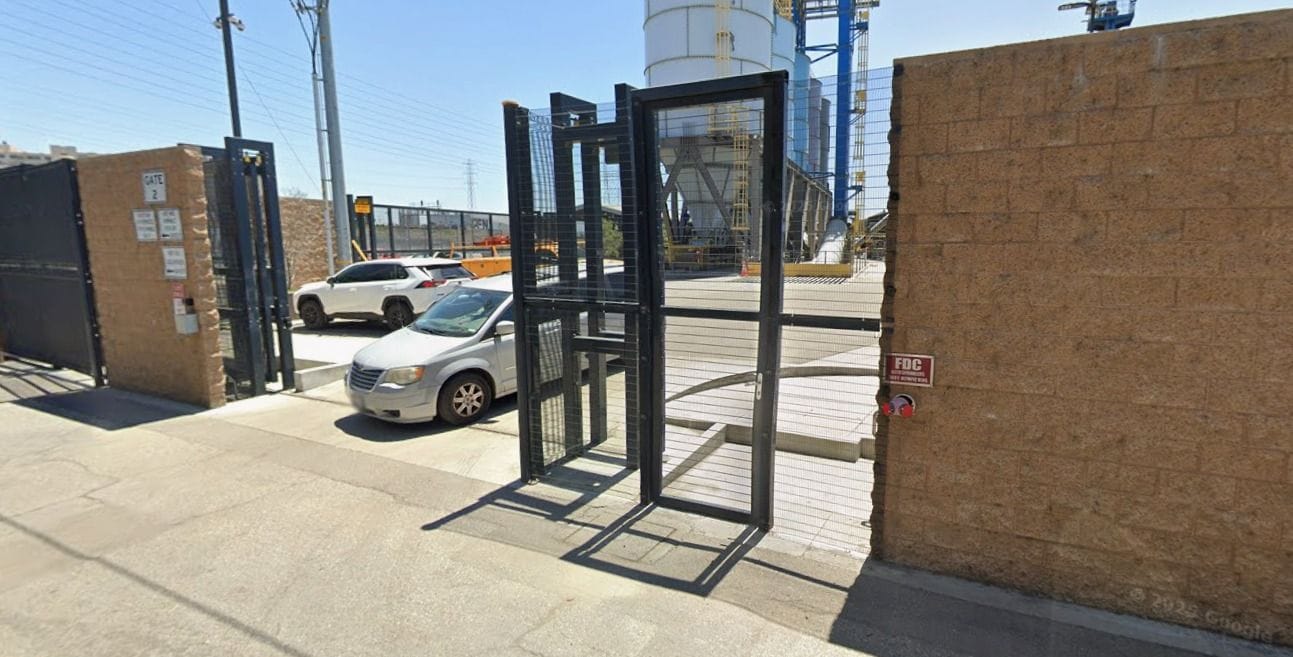
Integrating Vehicle Barrier Gates With SecureMesh™ for Full Perimeter Control
A vehicle barrier gate system integrated with SecureMesh™ Advanced Welded Security Mesh Fence creates a unified security envelope controlling both vehicular and pedestrian access. Active barriers combined with high-strength welded mesh fencing deliver layered, certification-backed anti-ram protection without compromising operational efficiency or surveillance visibility.
This guide covers how these systems work together, from gate selection and integration methods to compliance standards and industry applications, equipping facility managers and security professionals with the technical foundation needed to deploy a complete, certified perimeter control solution.
Understanding Vehicle Barrier Gate Systems and Their Role in Perimeter Security
A vehicle barrier gate system is a motorized or manual access control device engineered to prevent unauthorized vehicles from entering a protected area. These systems come in several configurations, each suited to different threat levels and operational needs. Common types include crash-rated slide gates, wedge barriers, folding gates, and drop arm barrier solutions, all tested to international standards to verify their ability to withstand high-speed vehicle impacts.
They serve as the primary access point and first line of defense in a layered security strategy. Unlike standard pedestrian gates or bollards, a vehicle barrier gate system is specifically engineered to absorb and redirect kinetic energy from vehicles traveling at speeds up to 50 mph or higher, depending on the certification level. This capability makes vehicle barrier gate systems indispensable at sensitive locations such as military installations, nuclear facilities, embassies, and high-value commercial sites.
Integrating a vehicle barrier gate system with surrounding security fencing creates a complete perimeter control environment. Rather than installing barriers in isolation, facilities benefit from a coordinated approach where active gates manage traffic flow while passive fencing reinforces the overall security envelope, alongside security cable barriers that prevent breach attempts at non-access points.
Why Integrate Vehicle Barrier Gates With Perimeter Fencing
Combining a vehicle barrier gate system with SecureMesh™ fencing delivers multiple operational and security advantages that a stand-alone gate cannot provide. Perimeter fencing extends protective coverage beyond the gate, maintains consistent security standards across the entire perimeter, and reduces total cost of ownership by streamlining installation and maintenance.
SecureMesh™ features rigid welded construction engineered for anti-terrorism and force protection (AT/FP) applications. Its tightly spaced mesh configuration resists cutting, bending, and climbing attempts, with a concealed internal locking system that hides all fasteners from the attack side, accessible only from the secure side of the perimeter. When integrated with a vehicle barrier gate system at access points, SecureMesh™ provides transparent yet high-strength perimeter protection that supports CCTV surveillance lines of sight while preventing unauthorized breach.
The physical presence of an integrated vehicle barrier gate system with perimeter fencing also carries operational weight. A unified, professionally installed system communicates that a facility operates to defined security standards, a factor considered by regulators, insurers, and procurement officers evaluating site compliance and risk posture.
Types of Vehicle Barrier Gates for Different Threat Levels
A vehicle barrier gate system integrated with SecureMesh™advanced welded security mesh fence creates a unified security envelope controlling both vehicular and pedestrian access. Active barriers combined with high-strength welded mesh fencing deliver layered, certification-backed anti-ram protection without compromising operational efficiency or surveillance visibility.
- Crash-rated slide gates combine compact footprints with high-impact resistance, sliding horizontally for facilities with limited vertical clearance or high daily traffic. Certifiable to P1 or P2 levels under ASTM F2656.
- Anti-ram crash gate barriers use hydraulic or pneumatic actuation for real-time access control, integrating with badge readers, access control systems, and security monitoring platforms, suited for high-traffic access points where throughput and protection must operate in balance.
- Wedge barriers are engineered for the most demanding impact scenarios, while folding gates offer expandable protection for facilities requiring rapid deployment when threat conditions escalate.
- Drop arm barrier solutions are designed for sites where the primary threat is opportunistic intrusion rather than deliberate high-speed attack, working effectively alongside high-strength perimeter fencing in a tiered defense approach.
When integrated with SecureMesh™, each of these vehicle barrier gate system types benefits from reinforced perimeter fencing that prevents vehicles from attempting to breach adjacent sections at non-access points.
Integration Methods: Connecting Gates to Perimeter Fencing
Effective integration of a vehicle barrier gate system with SecureMesh™ fencing requires structural continuity, sound foundation design, and precise transition detailing between active and passive components. Gate frames must connect directly to terminal fence posts using structural transition brackets and reinforced footings, ensuring the system performs as a single continuous barrier rather than two installations joined at the boundary. At crash-rated installations, this continuity is non-negotiable: the entire perimeter must meet ASTM F2656 force resistance requirements, not just the gate.
Foundation engineering is equally critical. Vehicle barrier gate systems and adjoining fence panels transmit significant lateral and vertical loads during an impact event, and footings must be sized and anchored to prevent post pullout, panel displacement, or gate frame rotation. Security cable barriers routed through SecureMesh™ panels must also be properly terminated and tensioned at gate frames without restricting operational range of motion, details resolved with facility planners before installation begins.
Conduit routing for access control wiring, actuation systems, and sensor networks must be coordinated during the design phase. Surface-mounted conduit along perimeter fence lines creates both a maintenance liability and a potential attack surface; integrated routing within post systems or below grade is the preferred approach for high-security installations. Comprehensive design and installation services ensure these integration requirements are addressed from planning through commissioning.
Security Standards and Compliance for Vehicle Barrier Systems
Vehicle barrier gate systems must comply with internationally recognized standards to ensure verified protective capability. The three primary standards governing certified perimeter protection are:
- ASTM F2656 — The primary North American crash-testing standard for vehicle security barriers, defining performance criteria based on vehicle type, impact speed, and penetration distance.
- PAS 68 — A UK-developed specification that crash-tests vehicle security barriers using defined vehicle weights and speeds, widely referenced across international security projects.
- CWA 16221 — A European standard covering anti-terrorism protective devices, incorporating elements of both ASTM F2656 and PAS 68 to address vehicle barriers and perimeter fencing systems across EU contexts.
Determining which standards apply depends on a facility’s location, ownership structure, client base, and threat environment. Facilities operating across multiple jurisdictions may need to demonstrate compliance with more than one standard as part of their procurement and regulatory obligations. Early engagement with a qualified perimeter security provider ensures the correct standards are identified and specified before procurement begins.
Anti-ram crash gate barriers and drop arm barrier solutions engineered to meet ASTM F2656, PAS 68, and CWA 16221 are available for facilities requiring certified perimeter protection. When paired with SecureMesh™ fencing, these systems deliver verified protective performance across all three standards. Procurement and compliance teams receive the full documentation needed to satisfy regulatory and contractual obligations.
Industries and Applications Where Integration Delivers Maximum Benefit
Integrated vehicle barrier gate systems and SecureMesh™ fencing serve a broad range of industries, each with distinct threat profiles and operational requirements. The table below outlines the primary sectors and their key application drivers.
| Industry | Facilities | Primary Security Driver |
| Government & Military | DoD installations, federal buildings, agency headquarters | Verified anti-ram protection; BSP recognized on the DoD Anti-Ram Vehicle Barrier List |
| Critical Infrastructure | Power plants, water treatment facilities, communication towers | Controlled traffic flow with continuous perimeter protection against unauthorized access |
| Data Centers & Technology | Data centers, technology parks, server campuses | Physical security aligned with digital defense posture and uptime requirements |
| Commercial & Industrial | Distribution centers, manufacturing plants, logistics hubs | Asset and personnel protection with simplified security management; explore threat assessments for distribution center security |
| Financial & Professional | Banks, legal offices, real estate firms | Controlled access to parking and service entries in high-threat urban environments |
| Healthcare | Hospitals, medical campuses, healthcare facilities | Perimeter access control demonstrating due diligence to regulators and insurers |
Organizations managing complex or multi-site perimeter security requirements should review data center perimeter protection strategies as a reference for structuring integrated defense systems across high-value facilities. Regardless of sector, the combination of active vehicle barriers and SecureMesh™ fencing delivers a certified, scalable perimeter solution adaptable to evolving threat environments.
Design, Installation, and Maintenance Best Practices
Delivering a reliable integrated perimeter system requires disciplined execution across three phases: design, installation, and maintenance. Each phase carries distinct requirements that directly affect the system’s long-term protective performance.
- Design. A comprehensive threat assessment must precede design work, defining the risks the system must address and the operational parameters within which security measures must function. Security professionals, facility managers, architects, and structural engineers should all contribute to ensure the system is calibrated to actual threat conditions.
- Installation. Gate frames, SecureMesh™ panels, posts, and footings must be installed to exact specifications, with all connections torqued to design values and verified by qualified inspectors. Installing security fencing at commercial and industrial properties requires coordination with experienced professionals to ensure seamless integration with the vehicle barrier gate system.
- Maintenance. Active gates require periodic inspection of hydraulic systems, electrical components, and actuators, while SecureMesh™ panels should be checked for corrosion, impact damage, and connection integrity. A maintenance schedule established at design time ensures corrective work occurs before performance is compromised.
A system that is properly designed, precisely installed, and consistently maintained will perform within its certified ratings throughout its service life, delivering the protection that facilities and their occupants depend on.
Comprehensive Perimeter Control Starts at the Gate
Integrating a vehicle barrier gate system with SecureMesh fencing creates a complete perimeter security solution that addresses both vehicle and pedestrian threats. This layered approach leverages active gates for dynamic access control at entry points and passive fencing for uniform protection across the entire perimeter, delivering measurable risk reduction and long-term peace of mind.
Black Security Products designs, manufactures, and installs integrated vehicle barrier gate systems and SecureMesh perimeter fencing solutions for facilities worldwide. Our team understands the complexity of coordinating active and passive security systems and the importance of compliance with international standards. If your organization is considering a vehicle barrier gate system or wants to enhance existing perimeter security with integrated fencing, Black Security Products is ready to support your project. Learn more about our comprehensive design and installation services to begin your integration project today.