

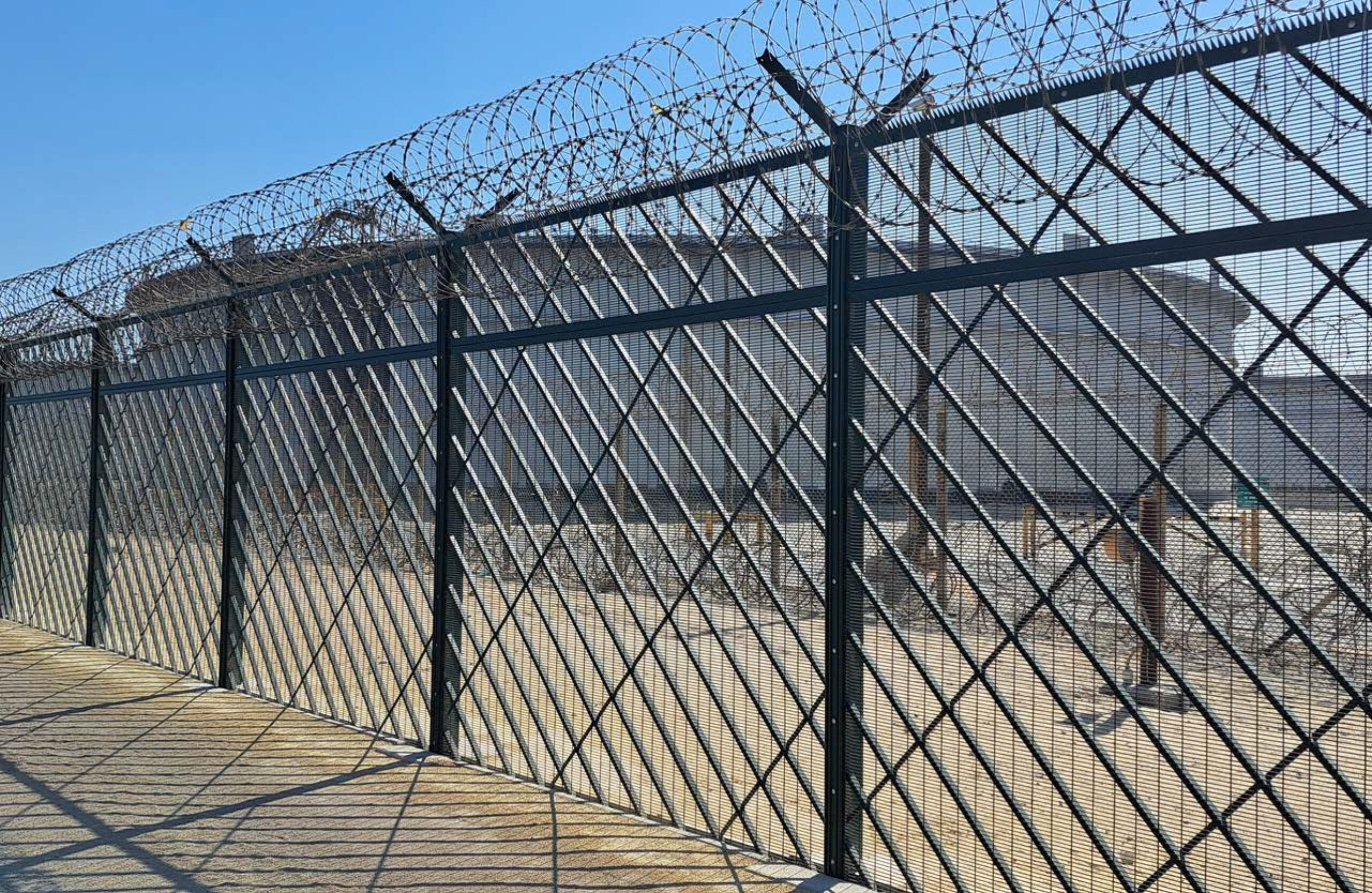
Airport Perimeter Fencing: How It Protects Runways, Staff, and Passengers
An airport perimeter fence serves as the first and most visible line of defense in one of the world’s most sensitive environments. Airports manage thousands of passengers, vehicles, and flights daily, demanding clear boundaries to separate secure and public zones. A properly engineered fence prevents unauthorized access, reduces wildlife intrusions, and safeguards personnel, equipment, and aircraft from harm. The importance of this barrier cannot be overstated; it acts as both a deterrent and a structural safeguard, with every section contributing to the safety and reliability of air travel.
As global aviation grows, airport authorities are rethinking how the airport perimeter fence integrates with technology-driven safety systems. Modern designs must work seamlessly with cameras, sensors, lighting, and motion detection tools to deliver round-the-clock protection. By applying perimeter security fencing standards, such as anti-climb mesh, reinforced foundations, and tamper-proof fasteners, airports achieve durable, compliant, and efficient protection. The result is a defense system that enhances safety, ensures regulatory compliance, and provides lasting confidence for staff, passengers, and stakeholders alike.
Why Airports Require Specialized Perimeter Protection
The function of an airport perimeter fence extends far beyond marking property limits. It prevents runway incursions, keeps wildlife out, and deters individuals from breaching restricted areas. Even a minor security incident can disrupt operations and cause significant financial and reputational damage. Properly installed fencing protects lives, schedules, and assets with continuous reliability. Each layer of the fence contributes to maintaining airfield order and compliance. Its presence supports airport personnel in managing restricted movement with precision.
Because of these risks, aviation authorities such as the FAA and ICAO have strict fencing guidelines. Height, material strength, and integration with alarm systems are all carefully regulated. These standards ensure that every airport perimeter fence contributes to a safe and controlled airfield environment. Adhering to these benchmarks helps airports remain compliant while improving long-term safety outcomes. Meeting these international requirements also helps airports avoid costly fines and enhance their global credibility. Standardized designs make maintenance and inspection more predictable for operations teams.
Integrating perimeter fence security systems such as microwave sensors and buried cable detectors provides added assurance. These systems detect motion or vibrations, alerting personnel to intrusion attempts in real time. When coupled with robust fencing, they create a multi-layered defense that’s both preventive and responsive. Combining detection and deterrence enhances the airport’s ability to respond before an event escalates. These integrated technologies ultimately reduce operational downtime and improve incident accountability.
Designing a High-Performance Airport Perimeter Fence
Designing an effective airport perimeter fence requires understanding both physical and environmental conditions. Fences must withstand high winds, corrosion from jet exhaust, and constant exposure to the elements. At the same time, they must allow for visibility to ensure surveillance cameras and security teams maintain a clear line of sight. Every component, from post spacing to gate structure, contributes to overall performance. A poorly designed system can hinder visibility or create blind spots that compromise surveillance. Careful engineering ensures complete protection without disrupting operational flow.
Modern airports rely on modular designs that allow easy maintenance and expansion. Galvanized steel mesh and welded wire systems provide long-term durability and resistance to cutting or climbing. A carefully engineered airport perimeter fence not only secures the perimeter but also enhances the overall efficiency of airfield operations by clearly defining zones. This physical boundary minimizes confusion among staff, contractors, and service vehicles. High-strength systems like the SecureMesh™ Level IV fence deliver superior anti-climb protection and visibility, making them ideal for sensitive areas within airfields. Every detail, from the gate hinges to the corner posts, matters when performance is critical.
When complemented by perimeter security products such as anti-ram barriers, crash gates, and controlled-access turnstiles, the fence becomes part of a broader protection ecosystem. Each layer supports the other, ensuring redundancy in the event of equipment failure or unauthorized access attempts. These solutions work together to strengthen both physical and procedural defense at every entry point. By combining active and passive defenses, airports achieve a balance of safety and efficiency. This approach also simplifies long-term maintenance by centralizing systems under one integrated security plan.
Integrating Surveillance and Detection Systems
Technology continues to transform how airports secure their perimeter. Modern surveillance tools improve detection accuracy, reduce response times, and provide operators with the real-time intelligence needed to stay ahead of evolving threats.
- Enhance Detection with Smart Technology: Sensors, cameras, and AI analytics identify suspicious movement and alert operators instantly, improving early threat response. These tools help security teams focus attention where it matters most instead of continuously scanning low-risk zones.
- Support Power and Data Infrastructure: Modern airport fences accommodate power lines, fiber optics, and detection cabling without compromising structural stability. This design allows expansion of surveillance capabilities without requiring major structural modifications.
- Reduce Reliance on Manual Patrols: Automated monitoring provides continuous vigilance across miles of perimeter, cutting labor needs and response delays. This approach ensures consistent oversight, even during shift changes or staffing shortages.
- Unify Digital and Physical Security: Modular systems, such as SecurePale fence system, allow mounting of cameras, lighting, and sensors directly onto the fence for seamless integration. This simplifies installation and improves coverage by placing hardware exactly where detection is needed.
- Centralize Monitoring and Reporting: When data flows into a single control hub, decision-makers gain real-time visibility of the entire airfield and can coordinate rapid response. Centralization also improves recordkeeping, helping investigators review footage and incident logs efficiently.
- Improve Emergency Coordination: Automated alerts help ground teams and law enforcement act quickly, reducing disruption and minimizing operational risk. Faster notifications can prevent unauthorized access from escalating into broader security incidents.
When physical infrastructure and digital surveillance operate as one, airports benefit from faster detection, greater situational awareness, and stronger operational resilience.
Maintaining Safety and Compliance Standards
Compliance is non-negotiable when it comes to airfield safety. Each airport perimeter fence must meet international and local regulations covering design, height, materials, and inspection frequency. Regular audits confirm that fences remain intact, gates close properly, and alarm systems function as intended. Neglecting maintenance can expose the facility to liability and operational disruptions. Adhering to compliance standards builds trust among regulators and stakeholders. It also demonstrates an airport’s commitment to proactive security management.
Airport maintenance teams conduct routine inspections to check for damage from weather, wildlife, or accidental vehicle contact. Timely repairs preserve the strength and reliability of the airport perimeter fence, ensuring it continues to deter and detect effectively. Keeping records of all maintenance activities supports compliance during audits and insurance reviews. These inspection records serve as proof of consistent due diligence. Additionally, scheduled assessments can uncover vulnerabilities before they pose actual risks.
Integrating perimeter security fencing into the inspection schedule ensures consistency across the entire boundary. Facilities that maintain strict adherence to maintenance protocols not only stay compliant but also reduce long-term repair costs. This proactive strategy reinforces reliability and operational safety year-round. Having a dedicated maintenance plan ensures consistent performance even under changing weather conditions. Predictive inspection programs further extend the life of the fence and its integrated systems.
Addressing Environmental and Wildlife Challenges
Beyond human threats, wildlife poses a major hazard to air operations. Birds, deer, and other animals can damage equipment or cause accidents if they access runways. An airport perimeter fence serves as a primary tool for preventing these incursions. By closing off access points and aligning with natural terrain, fencing reduces the risk of animal-related incidents significantly. Properly installed fencing can also help redirect wildlife toward safer migration routes. This balance between safety and ecology supports sustainable airfield management.
Airports often work with environmental engineers to design fences that balance ecology with security. Proper drainage, vegetation management, and non-intrusive foundations ensure the airport perimeter fence performs effectively without harming surrounding habitats. Systems like the SecureMesh™ Level III fence are particularly suited for these conditions, combining durability with open visibility that blends into the environment without disturbing wildlife movement. This attention to environmental detail builds community trust and ensures long-term sustainability. Airports that align their environmental and security goals demonstrate leadership in responsible infrastructure planning while minimizing regulatory challenges and public opposition.
Complementing these efforts with perimeter security products such as motion-activated lighting or sound deterrents creates a layered approach. These technologies keep wildlife and unauthorized personnel away from restricted areas while maintaining compliance with environmental regulations. Effective planning ensures airports remain secure, sustainable, and operationally efficient. Integrating these measures also reduces maintenance costs associated with wildlife-related damage. The result is a balanced, environmentally conscious security strategy.
Long-Term Reliability Through Maintenance and Upgrades
Regular maintenance and modernization are key to keeping an airport perimeter fence durable and secure. Continuous exposure to weather, exhaust, and vehicle activity can weaken materials over time, making proactive care essential. Through inspections, upgrades, and system integration, airports can extend performance life and strengthen overall perimeter reliability.
| Focus Area | Explanation |
| Routine Maintenance | Regular inspections and repairs maintain structural integrity and prevent unexpected failures caused by wear or corrosion. |
| Predictive Upkeep | Scheduled maintenance identifies weak points before they escalate, reducing safety risks and costly emergency fixes. |
| Material Upgrades | Using galvanized or powder-coated materials increases corrosion resistance and extends service life under harsh airport conditions. |
| System Modernization | Updating security features ensures compliance with evolving standards and enhances defense against emerging intrusion threats. |
| Integrated Security Coordination | Aligning maintenance and upgrades with perimeter fence security systems synchronizes monitoring, improves efficiency, and enhances compatibility with active vehicle barrier solutions. |
Ongoing maintenance and smart modernization create a resilient, future-ready perimeter. This proactive approach minimizes downtime, supports compliance, and ensures decades of reliable airport protection.
Reliable Airport Security Solutions with BSP
The role of an airport perimeter fence is fundamental to aviation safety, protecting aircraft, staff, and passengers while ensuring uninterrupted operations. A well-designed system goes beyond compliance, it reflects a proactive commitment to safety, innovation, and long-term stability. Each fence serves as a silent yet powerful safeguard that upholds efficiency and confidence across the airfield, reinforcing public trust and operational excellence.
At Black Security Products (BSP), we design and deliver tailored solutions built to meet the complex demands of modern airports. From high-strength mesh barriers to intelligent detection systems, our perimeter security products combine engineering precision with full-service expertise. By uniting physical strength, surveillance technology, and maintenance support, BSP ensures every airport perimeter fence achieves optimal performance, resilience, and reliability. Contact us today to learn how our specialized perimeter security solutions can enhance your airport’s protection, efficiency, and long-term safety. Partnering with BSP means choosing security that evolves with your needs and endures over time.