

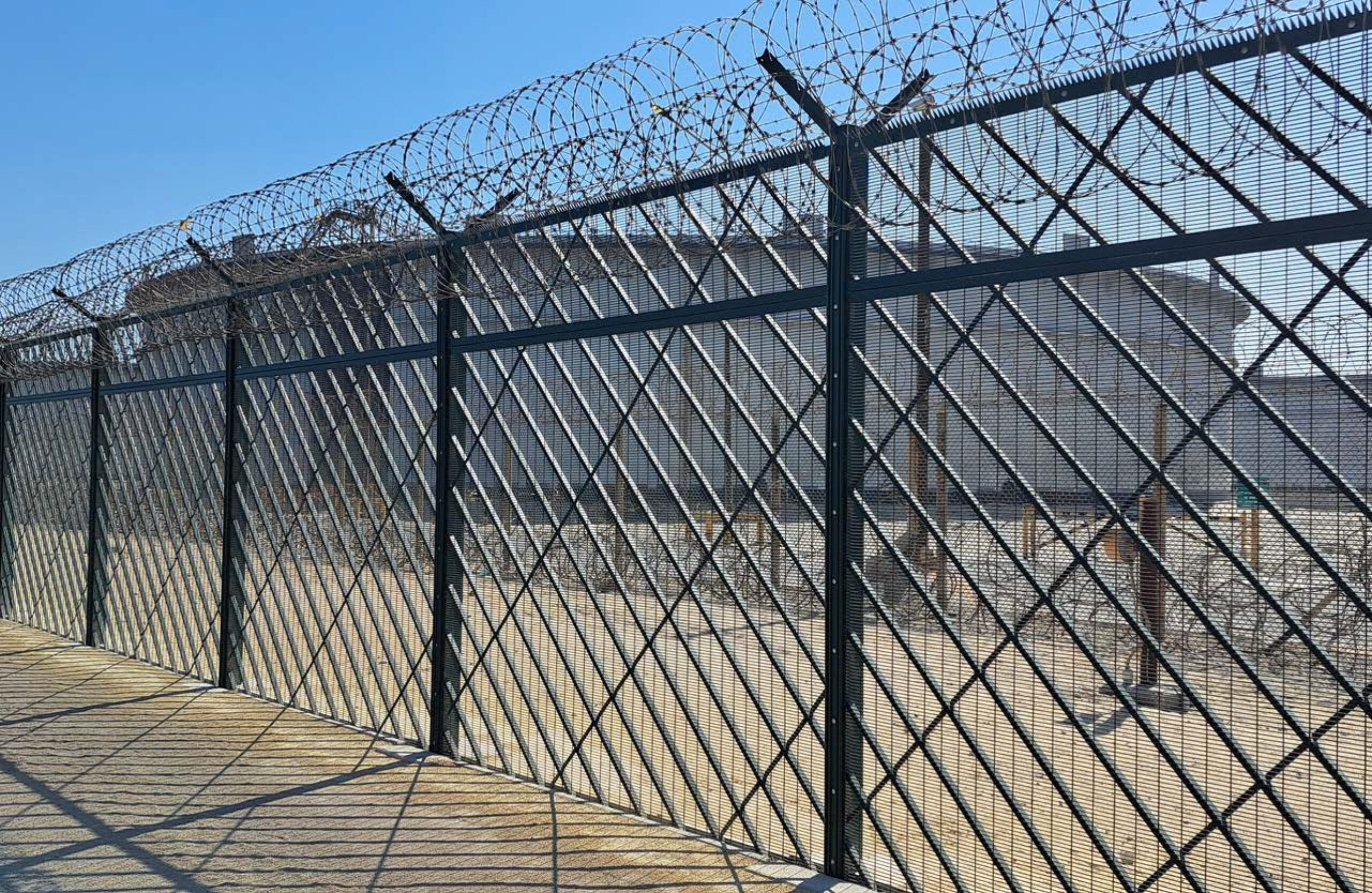
What Is a Perimeter Fence? Benefits, Uses, and Best Materials Explained
A strong security strategy starts with understanding what is a perimeter fence and how it forms the first line of defense for any facility. Whether protecting industrial sites, data centers, utility infrastructure, or commercial spaces, perimeter fencing defines clear boundaries and deters unauthorized access. Beyond marking property limits, it ensures safety, efficiency, and compliance by controlling who enters and exits your site.
Modern facilities depend on advanced perimeter security solutions that blend durable materials, intelligent technology, and strategic design. From welded mesh panels to impact-rated barriers, these systems deliver scalable protection against both physical and environmental threats. Understanding how to plan, install, and maintain a reliable perimeter fence enables organizations to safeguard people, assets, and operations for long-term resilience.
Understanding What Is a Perimeter Fence
Understanding what is a perimeter fence is the first step in protecting your property, assets, and people. A perimeter fence serves as the outer boundary that defines the limits of a site, whether it’s an industrial complex, commercial facility, or residential area. Beyond marking territory, it functions as the first line of defense against trespassing, vandalism, and theft. By forming a clear and secure boundary, property owners gain greater control over access points and improve safety for authorized personnel. Many facilities strengthen this initial layer with advanced systems like the SecureMesh™ Level IV fence system, known for its strength, durability and anti-climb performance.
The role of a perimeter fence extends far beyond visual separation. It supports traffic management, ensures compliance with safety regulations, and creates a controlled environment where risks are minimized. Facilities across industries, from utilities to logistics, use these fences to protect high-value infrastructure and critical operations. In short, knowing the purpose of a perimeter fence allows organizations to strengthen both their security and efficiency through a tailored boundary system that complements their operational goals.
When implemented with quality materials and proper design, a perimeter fence becomes more than a static barrier, it’s an active component of a complete protection strategy. It integrates with lighting, monitoring, and access systems to form a layered defense around essential assets. Additional measures such as crash-rated bollards (AVBD 300 Series) can further enhance perimeter integrity by controlling vehicle access without obstructing visibility. Understanding the fundamentals of a perimeter fence enables security planners to make informed choices that support long-term reliability and compliance.
The Purpose and Function of a Perimeter Fence
To fully grasp what is a perimeter fence, it helps to understand its fundamental purpose: establishing secure, controlled borders. A perimeter fence defines where private property begins and ends, clearly communicating restrictions and preventing unauthorized access. It directs pedestrian and vehicle movement through designated gates, helping maintain order and safety in busy or sensitive environments. For organizations managing critical operations or valuable assets, this first layer of defense forms the foundation of a comprehensive security system.
A high-functioning perimeter fence doesn’t operate alone, it works as part of a coordinated security framework. Beyond deterring intruders, it guides surveillance visibility, supports lighting placement, and controls how people and vehicles interact with the site. Many facilities strengthen these boundaries with complementary vehicle barriers, such as the crash-tested wedge barriers, which provides impact-rated protection against forced vehicle entry while maintaining accessibility for authorized personnel. These combined defenses create multiple layers of deterrence that protect assets while ensuring efficient site operations.
Ultimately, the success of any perimeter system lies in thoughtful design and reliable implementation. The right configuration prevents weak points, minimizes climbing opportunities, and maintains a clean visual line for monitoring. Understanding what is a perimeter fence helps property managers choose designs that align with operational priorities, whether that’s restricting access to hazardous zones, managing visitor entry, or safeguarding critical infrastructure. When properly planned, the perimeter becomes both a symbol and a safeguard of organizational security.
Benefits and Applications Across Different Environments
Perimeter security fencing offers wide-ranging advantages for properties of every type and size. Its adaptability allows organizations to strengthen safety, control access, and support broader security strategies across multiple environments.
- Supports Multiple Property Types: Used in commercial, industrial, data retention, and residential settings to protect assets and manage movement.
- Prevents Unauthorized Access: Secures restricted zones and critical systems in factories, substations, and high-risk areas.
- Guides Safe Movement in Public Spaces: Helps schools, hospitals, and office parks control transitions between areas without blocking visibility.
- Delivers Value Through Versatility: Combines strength, long-term durability, and visibility for properties of varying scale and function.
- Enhances Safety and Compliance: Helps organizations meet regulatory requirements, reduce liability, and avoid operational disruptions.
- Defines Clear Site Boundaries: Minimizes confusion for staff, visitors, and contractors while improving navigation.
- Supports Security System Integration: Works seamlessly with lighting, cameras, and alarms to improve situational awareness and response time.
- Adds Protective Layers in High-Risk Areas: Can be paired with advanced barriers, including anti-ram crash gate barriers, to resist forced vehicle entry.
- Maintains Operational Flow: Allows authorized personnel and vehicles to move efficiently while preventing intrusion attempts.
Understanding the full range of benefits perimeter fencing can provide, and how it integrates with complementary security systems, helps organizations create safer, more stable environments that deter threats and support long-term operational continuity.
Choosing the Best Materials for Perimeter Fencing
When evaluating what a perimeter fence should be made from, material selection becomes a defining factor in long-term performance. The right materials balance strength, cost, and appearance while meeting the security demands of each environment. Steel mesh, welded wire, and galvanized panels are preferred for industrial and commercial facilities due to their durability and resistance to tampering. Meanwhile, aluminum and composite fencing provide lightweight, corrosion-resistant options suitable for less critical applications or coastal regions.
Selecting materials also means considering how the fence integrates with access systems and perimeter infrastructure. Facilities requiring both visual access and physical control often combine fences with secure entry systems such as the fold-away bi-folding security gates. These gates allow smooth vehicle and pedestrian movement while maintaining the integrity of the boundary. Material consistency between the fence and gates ensures durability across all entry points, preventing weak spots that could compromise protection.
For sites exposed to heavy traffic or potential impact threats, adding reinforced barriers strengthens the overall perimeter. Products like drop arm barrier solutions work seamlessly with perimeter fencing to provide vehicle-rated defense without obstructing visibility. This combination of strong materials and engineered barriers extends protection beyond static boundaries. Understanding what a perimeter fence truly entails means selecting materials that perform reliably under pressure, ensuring your security investment remains effective for years to come.
Integrating Technology and Smart Security Systems
Modern perimeter protection goes far beyond traditional fencing, making it essential to understand how technology elevates what is a perimeter fence into a dynamic security tool. Smart systems allow for real-time detection, automated alerts, and integrated communication between physical and digital layers of defense. When sensors, cameras, and alarms operate together, they transform a fence from a passive structure into an active surveillance component that enhances awareness and response time.
Facilities that handle sensitive materials or face high-risk exposure often combine fencing with intelligent barriers for advanced performance. One notable solution is the M50 Certified defender net barrier, which integrates seamlessly with detection and monitoring systems to deliver high-impact vehicle resistance while supporting live tracking capabilities. This type of innovation bridges the gap between physical infrastructure and smart technology, ensuring stronger protection and faster intervention when threats arise.
Integrating intelligent systems into existing perimeters provides measurable improvements in efficiency, compliance, and longevity. Automated systems reduce manual oversight, while analytics tools identify security patterns that guide preventive maintenance. As organizations continue redefining what is a perimeter fence in the context of emerging threats, digital integration and high security perimeter fencing ensure adaptability and precision. The result is a layered, technology-driven approach that secures assets while streamlining daily operations.
Maintenance, Compliance, and Long-Term Reliability
Keeping a perimeter fence effective requires regular attention and proactive care to ensure it performs as intended over time. Even the strongest systems can weaken due to weather exposure, daily wear, or attempted tampering, which makes continuous upkeep essential. Regular evaluation also helps organizations stay compliant with safety standards, reduce liability risks, and adapt their security posture as operational needs evolve.
- Inspect for Wear and Damage: Look for corrosion, bent panels, and loose fittings that can create security gaps over time. Regular visual checks help you catch early signs of decline before failures occur. Documenting inspection results also helps track patterns and flag recurring issues.
- Monitor for Tampering: Check for cut sections, pry marks, or disturbed soil that may indicate intrusion attempts. Early detection prevents small breaches from becoming full access points. Tamper monitoring also improves accountability within high-traffic zones.
- Schedule Routine Maintenance: Address minor problems early to prevent expensive repairs and maintain full system performance. Scheduled service keeps hardware, bolts, and connections secure under stress. Maintenance planning also reduces downtime and preserves operational continuity.
- Meet Safety and Legal Standards: Verify barrier height, gate access control, and hardware alignment with current regulations. Compliance avoids fines and liability associated with outdated infrastructure. Auditing compliance also reassures stakeholders that your site is managed responsibly.
- Use Deterrents Like Anti-Climb Spikes: Add low-maintenance features that discourage climbing and strengthen perimeter resistance. These deterrents increase the effort required to breach the fence, reducing intrusion attempts. They are simple to install and don’t require major structural changes when paired with anti climb fence spikes.
- Upgrade as Threats Change: Integrate stronger materials or enhanced monitoring tools to counter evolving risks. Advancements in cutting tools and intrusion tactics make modernization essential. Upgrading periodically also extends the lifespan of your entire security system.
- Reassess Perimeter Needs Regularly: Adjust fence components and system features based on operational changes and site growth. New equipment, buildings, or layout changes can create new blind spots. Continuous reassessment ensures your defenses evolve alongside your operations.
Consistent care improves reliability, prevents vulnerabilities, and enhances long-term perimeter protection. Ongoing maintenance also helps maximize ROI and prolong system lifespan. Well-managed fences remain dependable even as threats and environments change.
Reliable Perimeter Protection with BSP
A complete understanding of what is a perimeter fence allows organizations to make smarter decisions about safety, access control, and asset protection. Well-designed fencing does more than outline a property, it creates a secure foundation for daily operations and long-term resilience. For businesses managing high-risk facilities, industrial sites, or government assets, strong perimeter protection prevents costly disruptions and strengthens overall security readiness.
At Black Security Products (BSP), we deliver perimeter solutions engineered for performance and reliability. Our team designs, installs, and maintains high-quality systems that meet the most demanding standards for strength and compliance. From anti-climb barriers to impact-rated gates and fencing, each product is built to deliver lasting peace of mind. Contact us today to learn how our expertise can help you build safer, smarter boundaries for your organization.