

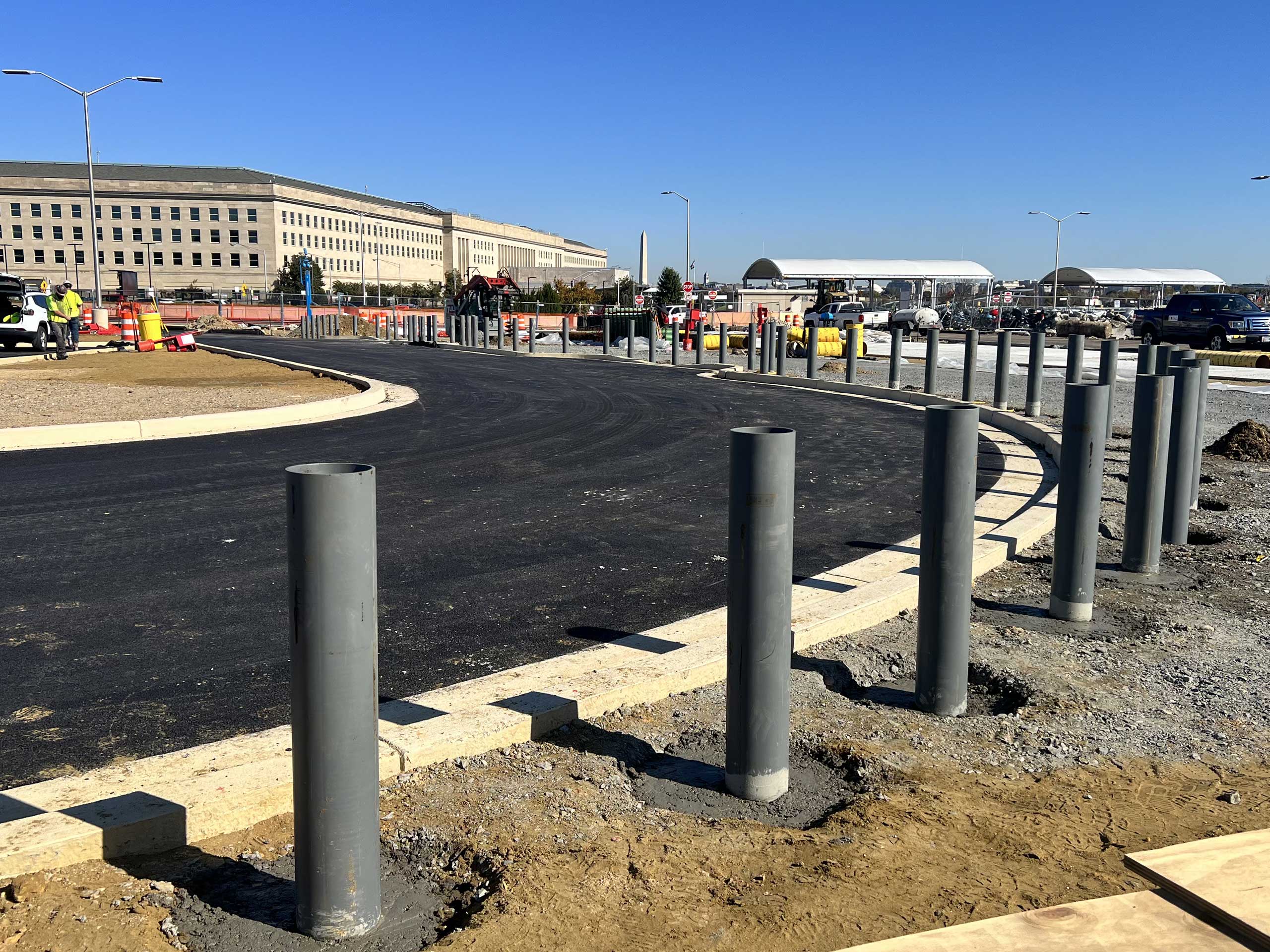
What Are Bollards Used For? Understanding Their Purpose and Function
Understanding what are bollards used for and their role in modern perimeter protection is essential for any facility concerned with safety and access control. These simple yet powerful structures serve as both physical barriers and visual guides, helping direct vehicles and pedestrians safely within controlled environments. Their function extends beyond aesthetics, they are engineered to absorb impact, manage traffic, and safeguard assets from collision or attack. By balancing strength with visibility, bollards protect without restricting accessibility.
Today’s bollards come in a wide range of designs, including fixed, retractable, and crash-rated options. Each serves a specific purpose depending on the location and threat level, whether that’s guiding vehicles at a commercial complex or protecting high-security zones from unauthorized access. Because they blend strength with adaptability, bollards have become indispensable across industries seeking both function and design harmony. Their versatility and low maintenance make them a preferred solution for both temporary and permanent installations.
The Primary Purpose of Bollards in Security
At their core, bollards are designed to protect people, property, and infrastructure from vehicle impact. They form part of an integrated security strategy that controls access without impeding visibility or pedestrian flow, often working in conjunction with passive vehicle barriers to strengthen overall perimeter defense. Whether used around storefronts, airports, or government buildings, bollards provide a crucial physical line that distinguishes safe zones from restricted areas. This balance of openness and defense makes them one of the most versatile tools in perimeter protection. Each installation reinforces confidence among employees, visitors, and local authorities.
Beyond impact prevention, bollards help define spatial order in busy environments. They guide traffic, prevent accidental curb crossings, and enforce parking limitations, ensuring safety without relying solely on signage or personnel. Strategic placement reinforces existing security measures and strengthens situational awareness for both operators and visitors. When strategically illuminated, bollards can also improve nighttime safety while enhancing visibility for drivers and pedestrians.
Understanding what are bollards used for helps highlight how these barriers, when used alongside other protective measures, create a cohesive system that prevents vehicles from breaching while maintaining pedestrian accessibility. This dual-layer approach enhances safety and demonstrates compliance with modern safety standards. Integrating both solutions maximizes durability and deterrence, especially in mixed-use spaces. Together, they ensure facilities meet both architectural and operational objectives.
Bollards as Vehicle Barriers
One of the most recognized answers to what are bollards used for is their role as a defense against hostile or accidental vehicle intrusion. High-impact or crash-rated bollards can stop vehicles traveling at high speeds, preventing potentially devastating collisions with buildings or pedestrian zones. These barriers are rigorously tested to international standards such as ASTM or PAS 68 to verify their stopping power and structural integrity. Properly installed, they can absorb kinetic energy and redirect force to avoid damage to surrounding structures.
Such bollards are frequently installed at sensitive locations, including embassies, military bases, federal buildings, airports and energy facilities. Their design exemplifies what bollards are used for in high-security applications, ensuring that even under heavy impact, they protect surrounding assets while absorbing or redirecting kinetic energy. This capability turns simple steel columns into life-saving infrastructure for high-risk environments. Regular testing and inspection further guarantee their long-term reliability under changing environmental conditions.
When supported by perimeter fence security systems, vehicle-rated bollards form part of a comprehensive defense grid. Combining electronic detection with physical obstruction ensures that any breach attempt, by vehicle or intruder, is detected and stopped before reaching critical zones. This integration is further strengthened when paired with active vehicle barrier systems, creating a coordinated network that enhances deterrence and improves response time. In combination, these defenses complement each other to deliver unmatched perimeter protection.
Enhancing Access Control with Bollards
Bollards are more than physical barriers, they are intelligent access-control tools that help manage vehicle movement, protect sensitive areas, and maintain efficient traffic flow. Their ability to adapt to different environments makes them valuable for properties that require both protection and operational flexibility.
- Regulate Authorized Vehicle Entry: Automatic and crash rated bollards allow approved vehicles to enter while keeping others out. This ensures only verified traffic can access sensitive areas, improving overall security. Their presence also reduces the risk of accidental or forced vehicle intrusion.
- Support Restricted Facility Operations: These systems are ideal for commercial loading zones, private parking lots, and government or industrial sites. Their controlled access design prevents congestion and unauthorized use of limited space.
Facilities maintain smoother operations without compromising safety. - Adapt to Varying Daily Traffic Demands: Remote-control capabilities allow bollards to adjust access based on schedule, shift changes, or event traffic. Operators can raise or lower barriers instantly to respond to changing conditions. This flexibility eliminates delays and enhances workflow efficiency.
- Integrate with Credential Systems: Automated bollards can sync with ID badges, keypads, or security software to dictate who enters and when. Access permissions can be updated instantly through centralized management platforms. This helps prevent unauthorized use and improves traceability.
- Enhance Emergency and Event Response: Remote operation enables quick barrier adjustments in urgent situations. Staff can allow emergency vehicles entry without compromising broader security measures. This responsiveness supports safety protocols during high-risk scenarios.
- Improve Monitoring with Alert Systems: Integration with alarms and traffic lights notifies security personnel of unauthorized attempts. Visual and audible signals provide immediate awareness for quicker response.
This reduces the likelihood of unnoticed breaches. - Strengthen Multi-Layered Security Systems: Pairing bollards with sliding gates, boom barriers, or other perimeter products creates deeper protection. Multiple layers slow intrusion attempts and increase deterrence. Together, these systems ensure secure access without slowing authorized movement.
Bollards enhance access control by combining physical strength with operational intelligence. When integrated into a layered protection strategy, they increase safety, improve traffic efficiency, and ensure resilient perimeter management across diverse environments.
Visual Guidance and Aesthetic Integration
When considering what are bollards used for, it’s important to recognize that their role extends beyond safety. Bollards also serve an important visual and architectural function. They define boundaries, organize pedestrian traffic, and enhance site aesthetics by blending with the surrounding environment. Designers often use materials like stainless steel, concrete, or powder-coated finishes to complement nearby structures. This design flexibility ensures security never disrupts visual harmony. The right bollard design can even enhance property value by promoting a polished and professional appearance.
In pedestrian-heavy areas, bollards serve as both guideposts and psychological barriers, subtly influencing movement without physical enforcement. Their placement signals where vehicles should stop and pedestrians should walk, improving safety and accessibility. Bollards also contribute to wayfinding, helping direct flow naturally through visual cues rather than barriers. Proper spacing and color contrast further aid navigation and compliance with ADA accessibility guidelines.
When strategically placed, removable bollards help maintain consistent visual flow across the entire site while offering flexibility for temporary access points. This harmony of design and defense is particularly valuable for corporate campuses, airports, and retail centers that prioritize both image and security. A visually integrated system reinforces order while preserving architectural appeal. The result is a safer, more inviting environment that balances form and function seamlessly.
Bollards in Industrial and High-Security Environments
In industrial settings, understanding what are bollards used for highlights their importance in protecting essential equipment and restricting access to high-risk zones. In areas where machinery operates near pedestrian pathways, these barriers act as physical separators that prevent collisions and injuries. They ensure compliance with occupational safety standards while optimizing traffic management in warehouses and logistics centers. Properly designed layouts minimize congestion and enhance worker productivity.
For high-security sites, crash-rated bollards are non-negotiable. They provide reliable impact resistance against vehicle threats and serve as deterrents for potential attacks. In energy or defense facilities, these systems are vital for maintaining the integrity of power, communication, or water-supply infrastructure. With the right combination of materials and engineering, they can withstand extreme weather and high-force impacts without compromising functionality.
Combining these features with advanced perimeter fence security systems enhances real-time monitoring and automated responses. Integrating sensors, cameras, or alarms with impact-rated bollards clearly demonstrates what are bollards used for in modern facility protection, ensuring that every event, whether accidental or intentional, is recorded and addressed immediately. This coordination minimizes downtime and supports comprehensive site protection. It also allows for seamless integration into broader facility management networks.
The Importance of Maintenance and Longevity
Keeping bollards properly maintained is essential for consistent performance, safety compliance, and long-term structural reliability. Without routine care, even high-quality installations can weaken due to weather, daily use, or impact stress. A clear maintenance strategy helps facilities reduce risk, avoid system failures, and preserve operational efficiency.
| Key Point | Explanation |
| Regular Maintenance | Keeps bollards functioning as intended and ensures they remain compliant with evolving safety requirements. |
| Weather & Impact Wear | Protects against corrosion, physical damage, and deterioration caused by environmental exposure and vehicle contact. |
| Scheduled Inspections | Confirms foundations, anchoring systems, and mechanical components are stable and performing correctly. |
| Preventive Care | Prevents minor issues from turning into costly repairs and reduces the risk of unexpected failures. |
| Maintenance Logs | Provides documentation for warranty claims, safety audits, and long-term performance tracking. |
| Test Automated Systems | Ensures retractable or automated bollards deploy properly during emergencies or high-traffic situations. |
| Material Quality | Long-term durability relies on both the strength of the materials used and consistent upkeep. |
| Surface Mount Options | Surface mount bollards offer easier access for inspection and repair, especially where underground installation is not practical. |
| Follow Manufacturer Guidelines | Maximizes hardware lifespan and performance by adhering to recommended maintenance schedules. |
| Coordinated Upkeep | Streamlines servicing when aligned with other perimeter security products, reducing downtime and operational disruption. |
Consistent maintenance not only extends the lifespan of bollards but also enhances overall site safety and operational reliability. When upkeep strategies are aligned with other perimeter systems, facilities can reduce downtime, improve efficiency, and maintain stronger long-term protection.
Reliable Protection Solutions with BSP
Understanding bollards is key to creating a secure, well-organized environment that supports both safety and accessibility. When designed, installed, and maintained correctly, bollards serve as reliable guardians for people, property, and infrastructure. Their strength lies in versatility, they can protect a sidewalk, a storefront, or a power substation with equal efficiency. Choosing the right type ensures performance that aligns perfectly with your site’s needs.
At Black Security Products (BSP), we design, test, and deliver bollard systems that meet the highest performance standards. From fixed impact barriers to retractable access-control models, our solutions are engineered for long-term reliability and aesthetic integration. Combined with perimeter security fencing and smart monitoring systems, BSP’s services provide complete, future-ready protection for every environment. Our team works closely with clients to deliver systems that blend safety, design, and lasting peace of mind.